Is GMRS the New CB? Wild West Repeaters Pushing Users to Ham Radio
The Allure of GMRS: A License for Family Fun (and More)
The FCC introduced General Mobile Radio Service (GMRS) in 1988, offering a licensed, two-way radio service ideal for short-distance communication. The relatively low-power (up to 50 watts) radios operate on a designated set of UHF frequencies (462.5625 MHz to 467.7250 MHz) and require a license obtainable through a simple application process. A single license covers an entire household, making it a cost-effective solution for family communication, especially during outdoor activities like camping, hiking, or off-roading.
The addition of GMRS repeaters further enhanced the service’s appeal. Repeaters are strategically placed base stations that receive and re-transmit radio signals, extending their range beyond the typical line-of-sight limitations of handheld radios. This allows for communication over greater distances, especially in areas with challenging terrain.
For many, GMRS offered a perfect blend of affordability, ease of use, and extended range, making it a clear upgrade over the limitations of unlicensed FRS radios.
The Rise of the “Wild West” GMRS Repeater
While GMRS offered a promising solution for short-range communication, a concerning trend has emerged: the increasing presence of inappropriate content on some GMRS repeaters. These channels, once used for coordinating activities and sharing updates during family outings, are now plagued by strong language, discussions on controversial topics like prepping for societal collapse, and even boasts about bar crawls and alcohol consumption.
This shift has created an atmosphere some users find offensive and entirely unsuitable for family communication. Imagine a young child on a camping trip with their family, innocently picking up a GMRS radio to connect with their parents, only to be bombarded with a barrage of expletives or unsettling survivalist rhetoric.
The FCC does have regulations regarding the use of GMRS channels. These regulations prohibit the use of obscene or indecent language, and transmission for any purpose other than self-contained, two-way voice communication [1]. However, enforcement of these regulations is often limited. The vast number of GMRS repeaters scattered across the country makes it difficult for the FCC to actively monitor all channels.
The “Sad Ham” Effect: Is GMRS Pushing Users Away?
The increasing lack of decorum on some GMRS repeaters is driving users away from the service altogether. Many are seeking a more controlled and family-friendly environment for their communication needs. This has led to a surge in interest in Ham radio, a service that requires passing a licensing exam but offers a wider range of capabilities and, importantly, a more controlled and regulated operating environment.
According to the FCC, the number of new Ham radio license applications and renewals has seen a steady rise in recent years. In 2023 alone, the FCC processed over 120,000 new Ham radio license applications, a significant increase compared to the previous decade [2]. While it’s difficult to pinpoint the exact reason for this rise, anecdotal evidence suggests that the growing frustration with the “Wild West” atmosphere of some GMRS repeaters is a contributing factor.
The allure of Ham radio lies in its structure and regulations. Licensed Ham operators (or “Hams”) take pride in responsible communication practices and adherence to FCC guidelines. This creates a more controlled and predictable environment for communication, ensuring a level of decorum not always found on unregulated GMRS channels.
However, the transition to Ham radio isn’t without its challenges. Aspiring Hams must pass a technical licensing exam, which can be daunting for some users. Additionally, Ham radio equipment can be more expensive than basic GMRS radios. While some users may find the learning curve and initial investment worthwhile for the benefits of a more regulated environment, others may be discouraged.
Is There a Solution for GMRS?
The rise of the “Sad Ham” effect on GMRS channels highlights the need for potential solutions. Here are a few approaches to consider:
- Increased FCC Enforcement: While actively monitoring all GMRS repeaters may not be feasible, the FCC could increase its enforcement efforts. This could involve utilizing existing resources more strategically and potentially implementing a system for users to report violations.
- Community-Driven Monitoring: GMRS users who value a family-friendly environment could form online communities to share information about responsible repeaters and identify those with recurring issues. This would empower users to police their own. Most repeater owners would not like this because they may be asked to do what they can’t do or refuse to do. Keep in mind, There are repeater owners who enjoy the wild west repeater and will do noting to control it and if they are asked about it, They will attack the messenger and not come to a solution. We suggest to monitor their repeaters for at least a year before you pay alot of money to be part of any repeater. Also keep in mind, You do not need a repeater to talk on GMRS radio. This is called Simplex. If you want a CB experience on GMRS radio then you have alot of unfamily friendly repeaters out there who users can get your FCC GMRS call signs and know alot of information about you. Do you want that?
Jamming and foul language on GMRS repeaters can be a real headache for responsible users. Here are some strategies GMRS repeater owners can employ to combat these issues:
Technical Measures:
- Tone Squelch: Most repeaters have a built-in feature called tone squelch. This setting allows the repeater to only activate when it receives a signal with a specific PL tone. By implementing a designated PL tone for your repeater and sharing it only with authorized users, you can significantly reduce unauthorized transmissions, including jamming attempts. This does not do much to stop the jammers because PL Tones can be found easy. Shutting off the repeaters when the jammer comes on is not the answer. Why would you want to join a repeater for it to be turned off? This benefits the repeater owner and not the member.
- Carrier Guard: Some repeaters have a carrier guard function. This feature automatically shuts down the repeater if it detects a continuous carrier signal, a common tactic used by jammers. While not a foolproof solution, it can deter casual jamming attempts.
- Password Protection: Certain advanced repeaters offer password protection for access. This restricts control of the repeater to authorized users with a designated password, further limiting unauthorized transmissions.
GMRS Community Engagement:
- Develop a Code of Conduct: Create a clear code of conduct outlining acceptable behavior on your repeater. This code should explicitly prohibit jamming, foul language, and any transmissions violating FCC regulations. Publicize this code on online forums or distribute flyers to frequent users.
- Educate Users: Many users might be unaware of FCC regulations or simply not understand the impact of their actions. Develop educational resources or conduct informational sessions to educate users on responsible repeater etiquette.
- Work with Local Law Enforcement: Jamming radio signals is a federal offense. If jamming persists, consider collaborating with local law enforcement to identify and prosecute the offenders. This sends a strong message that such behavior will not be tolerated.
Promoting Positive GMRS Use:
- Host Events and Activities: Organize events or activities that encourage positive use of the repeater. This could include coordinated trail rides for off-road enthusiasts, neighborhood watch communication drills, or simply designated “family time” slots where clean language is expected. Stay away from the bars and happy hours as this is what you will be know as.
- Recognize Responsible Use: Publicly acknowledge and appreciate users who demonstrate responsible communication practices. This positive reinforcement can encourage others to follow suit.
Additional Considerations:
- Document Violations: Maintain a log of any violations observed, including times, nature of the offense, and any identifying information available. This documentation can be helpful if seeking assistance from law enforcement.
- Work with Other Repeater Owners: Collaborate with owners of other local GMRS repeaters to share best practices and potentially establish a network of “family-friendly” repeaters within your region.
Remember, maintaining a welcoming and respectful environment on your GMRS repeater takes consistent effort. By implementing these strategies and fostering a community of responsible users, you can reclaim your repeater as a valuable resource for short-range communication.
Our group saw this coming a mile away and made measures to stop it. We are family friendly group. Any problems get stopped fast. Right now we are in another growth phase because of the hard stance we took on Jammers and we developed a way to stay far away from them. We do not hang out in bars or promote drinking, Prepping or anything of that sort. We promote the use of GMRS radio for the family use and help them set it up.
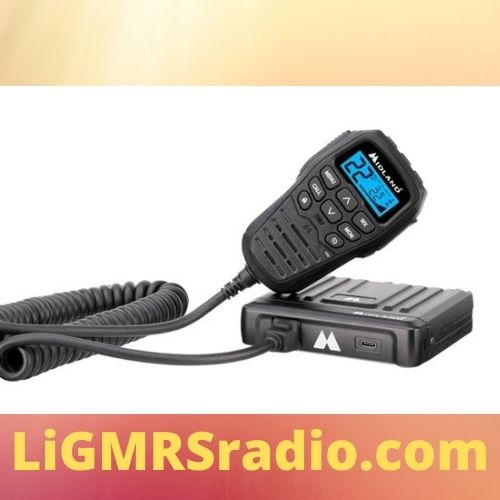
We would like to thank Midland radio for their help in our group. It’s not surprising to us that most are using Midland GMRS radios for their GMRS use because of their easy to use and set up. Thank You again MidlandUSA!
 LiGMRSradio.com