April Sad GMRS radio news

Is GMRS the New CB? Wild West Repeaters Pushing Users to Ham Radio

The Allure of GMRS: A License for Family Fun (and More)

The FCC introduced General Mobile Radio Service (GMRS) in 1988, offering a licensed, two-way radio service ideal for short-distance communication. The relatively low-power (up to 50 watts) radios operate on a designated set of UHF frequencies (462.5625 MHz to 467.7250 MHz) and require a license obtainable through a simple application process. A single license covers an entire household, making it a cost-effective solution for family communication, especially during outdoor activities like camping, hiking, or off-roading.

The addition of GMRS repeaters further enhanced the service’s appeal. Repeaters are strategically placed base stations that receive and re-transmit radio signals, extending their range beyond the typical line-of-sight limitations of handheld radios. This allows for communication over greater distances, especially in areas with challenging terrain.

For many, GMRS offered a perfect blend of affordability, ease of use, and extended range, making it a clear upgrade over the limitations of unlicensed FRS radios.

The Rise of the “Wild West” GMRS Repeater

While GMRS offered a promising solution for short-range communication, a concerning trend has emerged: the increasing presence of inappropriate content on some GMRS repeaters. These channels, once used for coordinating activities and sharing updates during family outings, are now plagued by strong language, discussions on controversial topics like prepping for societal collapse, and even boasts about bar crawls and alcohol consumption.

This shift has created an atmosphere some users find offensive and entirely unsuitable for family communication. Imagine a young child on a camping trip with their family, innocently picking up a GMRS radio to connect with their parents, only to be bombarded with a barrage of expletives or unsettling survivalist rhetoric.

The FCC does have regulations regarding the use of GMRS channels. These regulations prohibit the use of obscene or indecent language, and transmission for any purpose other than self-contained, two-way voice communication [1]. However, enforcement of these regulations is often limited. The vast number of GMRS repeaters scattered across the country makes it difficult for the FCC to actively monitor all channels.

The “Sad Ham” Effect: Is GMRS Pushing Users Away?

The increasing lack of decorum on some GMRS repeaters is driving users away from the service altogether. Many are seeking a more controlled and family-friendly environment for their communication needs. This has led to a surge in interest in Ham radio, a service that requires passing a licensing exam but offers a wider range of capabilities and, importantly, a more controlled and regulated operating environment.

According to the FCC, the number of new Ham radio license applications and renewals has seen a steady rise in recent years. In 2023 alone, the FCC processed over 120,000 new Ham radio license applications, a significant increase compared to the previous decade [2]. While it’s difficult to pinpoint the exact reason for this rise, anecdotal evidence suggests that the growing frustration with the “Wild West” atmosphere of some GMRS repeaters is a contributing factor.

The allure of Ham radio lies in its structure and regulations. Licensed Ham operators (or “Hams”) take pride in responsible communication practices and adherence to FCC guidelines. This creates a more controlled and predictable environment for communication, ensuring a level of decorum not always found on unregulated GMRS channels.

However, the transition to Ham radio isn’t without its challenges. Aspiring Hams must pass a technical licensing exam, which can be daunting for some users. Additionally, Ham radio equipment can be more expensive than basic GMRS radios. While some users may find the learning curve and initial investment worthwhile for the benefits of a more regulated environment, others may be discouraged.

Is There a Solution for GMRS?

The rise of the “Sad Ham” effect on GMRS channels highlights the need for potential solutions. Here are a few approaches to consider:

  • Increased FCC Enforcement: While actively monitoring all GMRS repeaters may not be feasible, the FCC could increase its enforcement efforts. This could involve utilizing existing resources more strategically and potentially implementing a system for users to report violations.
  • Community-Driven Monitoring: GMRS users who value a family-friendly environment could form online communities to share information about responsible repeaters and identify those with recurring issues. This would empower users to police their own. Most repeater owners would not like this because they may be asked to do what they can’t do or refuse to do. Keep in mind, There are repeater owners who enjoy the wild west repeater and will do noting to control it and if they are asked about it, They will attack the messenger and not come to a solution. We suggest to monitor their repeaters for at least a year before you pay alot of money to be part of any repeater. Also keep in mind, You do not need a repeater to talk on GMRS radio. This is called Simplex. If you want a CB experience on GMRS radio then you have alot of unfamily friendly repeaters out there who users can get your FCC GMRS call signs and know alot of information about you. Do you want that?
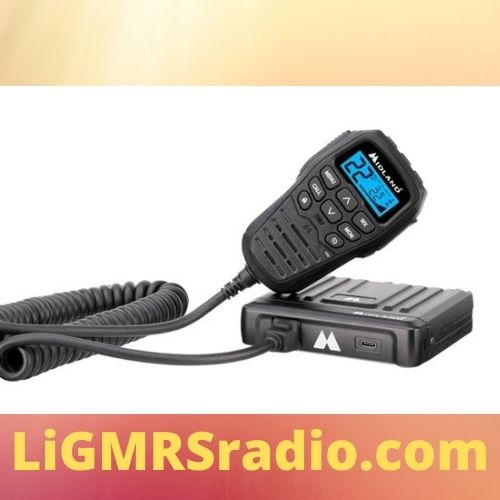
Jamming and foul language on GMRS repeaters can be a real headache for responsible users. Here are some strategies GMRS repeater owners can employ to combat these issues:

Technical Measures:

  • Tone Squelch: Most repeaters have a built-in feature called tone squelch. This setting allows the repeater to only activate when it receives a signal with a specific PL tone. By implementing a designated PL tone for your repeater and sharing it only with authorized users, you can significantly reduce unauthorized transmissions, including jamming attempts. This does not do much to stop the jammers because PL Tones can be found easy. Shutting off the repeaters when the jammer comes on is not the answer. Why would you want to join a repeater for it to be turned off? This benefits the repeater owner and not the member.
  • Carrier Guard: Some repeaters have a carrier guard function. This feature automatically shuts down the repeater if it detects a continuous carrier signal, a common tactic used by jammers. While not a foolproof solution, it can deter casual jamming attempts.
  • Password Protection: Certain advanced repeaters offer password protection for access. This restricts control of the repeater to authorized users with a designated password, further limiting unauthorized transmissions.

GMRS Community Engagement:

  • Develop a Code of Conduct: Create a clear code of conduct outlining acceptable behavior on your repeater. This code should explicitly prohibit jamming, foul language, and any transmissions violating FCC regulations. Publicize this code on online forums or distribute flyers to frequent users.
  • Educate Users: Many users might be unaware of FCC regulations or simply not understand the impact of their actions. Develop educational resources or conduct informational sessions to educate users on responsible repeater etiquette.
  • Work with Local Law Enforcement: Jamming radio signals is a federal offense. If jamming persists, consider collaborating with local law enforcement to identify and prosecute the offenders. This sends a strong message that such behavior will not be tolerated.

Promoting Positive GMRS Use:

  • Host Events and Activities: Organize events or activities that encourage positive use of the repeater. This could include coordinated trail rides for off-road enthusiasts, neighborhood watch communication drills, or simply designated “family time” slots where clean language is expected. Stay away from the bars and happy hours as this is what you will be know as.
  • Recognize Responsible Use: Publicly acknowledge and appreciate users who demonstrate responsible communication practices. This positive reinforcement can encourage others to follow suit.

Additional Considerations:

  • Document Violations: Maintain a log of any violations observed, including times, nature of the offense, and any identifying information available. This documentation can be helpful if seeking assistance from law enforcement.
  • Work with Other Repeater Owners: Collaborate with owners of other local GMRS repeaters to share best practices and potentially establish a network of “family-friendly” repeaters within your region.

Remember, maintaining a welcoming and respectful environment on your GMRS repeater takes consistent effort. By implementing these strategies and fostering a community of responsible users, you can reclaim your repeater as a valuable resource for short-range communication.

Our group saw this coming a mile away and made measures to stop it. We are family friendly group. Any problems get stopped fast. Right now we are in another growth phase because of the hard stance we took on Jammers and we developed a way to stay far away from them. We do not hang out in bars or promote drinking, Prepping or anything of that sort. We promote the use of GMRS radio for the family use and help them set it up.

We would like to thank Midland radio for their help in our group. It’s not surprising to us that most are using Midland GMRS radios for their GMRS use because of their easy to use and set up. Thank You again MidlandUSA!
Who “Owns” the GMRS Frequencies?

Here’s a more comprehensive explanation on how GMRS radio frequencies work, including PL tones and repeaters, adhering to the latest FCC regulations: This may answer the pending doom question Who “Owns” the GMRS Frequencies? Please look into this information yourself because the FCC changes things everyday.

GMRS Spectrum Allocation and Licensing

The Federal Communications Commission (FCC) governs the radio spectrum in the United States, including the frequencies designated for General Mobile Radio Service (GMRS). This specific allocation falls within the range of 462.5625 MHz and 467.7250 MHz [1]. While you don’t own the frequencies in the way you would own property, the FCC grants licenses to individuals to operate GMRS radios on these designated channels. There’s an exception for low-power Family Radio Service (FRS) radios that share some of the same channels, but their transmission power and functionalities are limited compared to GMRS.

Public Use and GMRS Channels

Out of the 22 total channels allocated for GMRS, 7 of them are also designated for FRS use. This means anyone can listen in on these shared frequencies. However, only licensed GMRS operators are authorized to transmit on GMRS channels. To ensure clear communication among multiple GMRS users on a channel, privacy codes called PL tones can be employed. These tones act like electronic filters, allowing only transmissions with matching PL tones to be heard by the intended recipient.

GMRS Repeaters and FCC Regulations

GMRS repeaters are base stations that can receive a GMRS signal on one frequency and retransmit it on another frequency, effectively extending the range of communication for GMRS users. These repeaters can be immensely valuable in situations where obstacles or distance would otherwise hinder direct communication between two GMRS radios.

FCC regulations prohibit using a GMRS license for any commercial purposes

It’s important to understand that FCC regulations prohibit using a GMRS license for any commercial purposes [2]. This means that operating a GMRS repeater for profit, such as charging a fee for its use, would be a violation of FCC rules. The FCC aims to ensure that the GMRS spectrum is used for personal, non-commercial communication among licensed users.

In summary, while anyone can listen on a GMRS frequency, only licensed users can transmit. GMRS repeaters can be a valuable asset for extending communication range, but they must be operated within FCC guidelines, which prohibit commercial use.

GMRS Repeaters and Li GMRS Radio and LiGMRSradio.com’s View: A little review first.


GMRS Repeaters: Extending Range or Stepping on Toes?

General Mobile Radio Service (GMRS) radios offer a fantastic way for groups to stay connected, especially outdoors or in areas with limited cell service. A key tool for extending GMRS range is the repeater, a base station that relays radio signals, boosting their reach. However, there’s a growing debate around the use of GMRS repeaters for profit.

The Benefits of Repeaters:

  • Extended Range: Repeaters overcome signal limitations caused by terrain or distance, allowing GMRS users to communicate over much larger areas. This is particularly beneficial for geographically dispersed groups like hikers, off-road enthusiasts, or neighborhood watch programs.
  • Improved Communication: Repeaters can significantly enhance communication clarity, especially in fringe areas where direct radio contact might be weak. This improved signal quality ensures messages are received loud and clear, crucial for time-sensitive situations or coordinating activities.
  • Community Building: Repeaters can act as communication hubs for local GMRS users. Imagine a designated channel for a community of off-road riders. The repeater facilitates communication between riders on the trails, fostering a sense of camaraderie and shared resources. It can also serve as a central point for relaying important information, like trail conditions or safety updates.

The GMRS Profitability Question:

The Federal Communications Commission (FCC) clearly states that GMRS licenses cannot be used for commercial purposes.

This raises the question of for-profit repeaters operating on GMRS frequencies. Here’s a neutral look at the arguments on both sides:

  • Against Paid Repeaters: Some users believe that profiting from a service on a free, public spectrum like GMRS is unfair. They argue it creates an unequal playing field and could lead to limited access for some users who may not be able to afford to pay. Additionally, concerns exist that for-profit models might prioritize paying users over non-paying users during emergencies or critical situations.
  • For Paid Repeaters: Proponents argue that maintaining a repeater requires ongoing costs for equipment, electricity, and site upkeep. High-quality equipment and proper antenna placement are essential for optimal repeater performance. Responsible operators who invest in maintaining their repeater arguably deserve compensation for these expenses.

Finding The GMRS Common Ground:

While the FCC regulations are clear, the debate highlights the growing popularity of GMRS and the potential strain on resources. Here are some possibilities for moving forward:

  • Transparency: Clear communication about any fees associated with a repeater’s use would allow users to make informed choices. If a repeater has associated costs, users can decide if the extended range and improved communication justify the fees.
  • Alternative Funding: Perhaps user donations or sponsorships could help offset repeater maintenance costs without directly charging for access. Local businesses or organizations that benefit from a well-maintained repeater network might be willing to contribute.
  • Volunteer Networks: Community-driven repeater networks, where volunteers share responsibility for upkeep, could be a viable solution. This approach fosters a sense of community ownership and ensures everyone benefits from the repeater’s extended range. Technical expertise can be shared among volunteers, and fundraising efforts can be undertaken collectively.

The GMRS Repeater Takeaway:

GMRS repeaters play a valuable role in extending communication capabilities for licensed users. Finding a sustainable model that adheres to FCC regulations and ensures fair access for all users is key to maintaining the positive impact of GMRS technology. Exploring alternative funding methods and fostering a spirit of community co-operation can help ensure GMRS repeaters continue to serve their purpose.

As you can see there is a lot to digest here on the topic of paid GMRS repeaters.  FCC has their view BUT we respect all the hard work it took to put up a GMRS repeater. We also find that some in the GMRS world think they “Own” a frequency and tone because of their hard earned money into their GMRS equipment.  As it looks, If you have a repeater up, It’s fair game for others to use as per the FCC kind of BUT is that the correct thing to think?

GMRS Repeaters are personal property that the owner has a “Approved to use list” on a system that the FCC say’s that GMRS Frequencies are free to use with a GMRS Licence. Alot to think about as the GMRS radio grows. 

What’s your view?

March LI GMRS News

March is a quiet month for GMRS Radio on Long Island. Many are sticking to Simplex while others hit the repeaters.

March is known for another thing when it comes to GMRS Radio: Looking at and buying new GMRS radios so that end of helping others will pick up.

Midland Radio and LI GMRS Radio

Yes Midland Radio has donated radios to us BUT we were suggesting their GMRS radios before they even did! Their GMRS radios are almost plug and play and easy to set up PL tones to keep talking to one person or groups easier. Other brand radios need a laptop and the internet to program.

This Summer in GMRS Radio

This summer I expect more people in the group reaching out to us to help them set up their radios for the summer. A convoy of friends and family is the start of a good roadtrip and keeping in touch  with a different PL Tone makes it even more fun!  Rest stops planning to what lane to be in or what exit to take is just a PTT away. When at the rest stops, With a GMRS walkie Talkie everybody can stay in touch and updates on what “Trouble” they are up to, How much longer do they need to just security.

We have been asked by multi car families who will be picking up their kids from college on helping with their set up.  Cellphones can only do so much when GMRS radios will get through in close distance. On 50 watts, We talked to somebody from the Tappen Zee Bridge to a member almost in Newburgh! Yes we were using the group’s PL tone.

As per other groups on Long Island, BTG just opened up their online store to buy shirts and caps ect. Check them out.

Well that’s about it. If you have a chance visit Midland radios GMRS page and see what is new! Their 6 db gain GMRS antenna is still one of their best and their “Ghost” antenna if mounted high up will work.

LI GMRS Radio is looking for Donations of GMRS Radio Equipment.

We are looking for Donations of GMRS radio equipment. Radios to antennas you name it. When working, This donated equipment will be LOANER GMRS Radio equipment. Does everybody ever have enough GMRS Radio equipment?  We know the answer is NO! Again this will be LOANER Equipment. If any of the GMRS Radio manufactures want to help us spread the word about GMRS Radio, We are all ears!

Remember LI GMRS Radio is family friendly GMRS radio and we will stay that way. We are here to help if needed. We helped the American Farmer set up their radios and a repeater to Truckers and the Off Road community.

February LiGMRSradio.com news

BTG  Communications is holding a “Scavenger Hunt”. Event date is February 17th 2024. Start time is 9 am. You must register to join in . Sounds like fun! Go to their website to find out more info.

Emergency Radio Long Island REACT is a new community service group. If you want to help the community and use 2 way radios, This group maybe for you! Go to their website  for more information. Their team services the Queens, Nassau and Suffolk Counties providing assistance for emergencies and disasters. Again go to their website for more information.

BlueCom turned 25 years old! Congratulations for the hard work it took to build and maintain your system!

LiGMRSradio.com's Feb update on what is going on in the GMRS world on Long Island.

Midland Radios is still leading the way in GMRS radio two way communications. In our opinion they are great for plug and play and go and are easy to set up. Many in our group use them and they work very well in simplex and repeater operations. Most families will grab Midland GMRS radios on family vacations to add some fun and to stay in communications with each other. Weather it’s from driving to the spot in 2 or more cars to on the spot or hotel to keep in touch, We find them to take a beating and hold up to family fun. Very easy to change PL codes and help keep your group talking to each other.

Recently we helped a group of friends set up their Midland GMRS radios for a convoy up to ski in Upstate NY. They purchased 3 MXT275 and 6 of the X-TALKER T51X3VP3 WALKIE TALKIES. They said the fun started from when they left their homes talking with each other and keeping in contact with the walkie talkies on the slops without their cellphones.

LiGMRSradio.com has come a long way in a short period of time! Not without its ups and downs! We took down our repeaters because of jammers. All the donations for the repeaters were returned out of my own pocket and we said thank you to them. I have the repeaters in a safe location and will put one up for special event meetings for us to use. In the meantime we switched to Zello to communicate with each other. We still use our GMRS Radios on simplex. Again we had to do this because of a jammer. Now we are in control who joins us on Zello. We demand to stay FAMILY FRIENDLY and we will. We do not want to act like other groups on their repeaters.

LiGMRSradio.com is Feb news. We are family friendly and are on Long Ilsnad. Come join us!
Photo by Kai Pilger on Pexels.com

How to Paint a GMRS mobile antenna:

     One of the fun things we do in our GMRS radio group is experiment with mobile antennas and have fun doing it.  A few members also expressed a want for a more stealthy GMRS antenna and the group’s collective brains got working together. Painting your GMRS antenna is the easiest and fastest way to make it blend in with your car and this is why I decided to write the How to paint a mobile antenna guide to help others who may be looking to do the same thing or make your GMRS antenna match your car. How to Paint a GMRS mobile antenna? Here are some tips!

Picking a GMRS antenna to paint:

Before painting any GMRS antenna you select a good antenna to purchase.  I am a big fan of a 1/4 wave antenna for it’s performance and it’s stealth look. Under 5 inches it’s already hard to see if you are just looking around and not going out of your way to look for a 1/4 wave GMRS antenna. The more common 5/8 wave antenna is a great middle of the road “Town”  and “Hill” GMRS antenna so we picked this antenna to paint.

Before painting a GMRS antenna:

After you purchase your GMRS antenna and I hope from one of our supporters, You need to assemble it and check your SWR in the place it will be most used at. This is very important because adjusting the SWR before paint will tune your GMRS antenna to the lowest SWR and even spot a problem before you paint it. Please keep in mind,By altering any antenna you will VOID the warranty if there is any.

Masking your GMRS antenna:

Masking up your GMRS antenna so areas you may not want to paint do not get painted. Areas like the brand name or model number. I want to know who made my GMRS antenna so I masked that off.

What paint to use to paint a GMRS antenna?

We used a product called Plasti Dip and the color Black. Lowes sells it. Item# 42849.

     We sprayed a very light coat and let it dry overnight in a 70 degree area. The next morning we rechecked the SWR and noticed they did not change so we sprayed another very light coat of Plasti Dip onto the GMRS antenna and let it dry overnight again. The next day we checked the SWR and it did not change and sprayed the last coat of Plasti Dip on the GMRS antenna to get the rich flat black look we were looking for. We also let it dry overnight in a 70 degree building.

Magic Marker and your GMRS Antenna:

Yes you can! We tried it out and it does work. After we were done, We checked the SWR’s on it to make sure and they did not change. 

We used a large black sharpie and it did come out with a black camo look to it but it did make the GMRS antenna less noticeable.

PlastiDip the GMRS Antenna!

We also used PlastiDip on a GMRS antenna and it worked well. We checked the SWR before and after on the GMRS Antenna and there was no noticeable difference. We still check the SWR’s on all the GMRS antennas we use weekly to make sure they are fine and safe to use with the radio.

Did they PlastiDip this famous antenna? You can PlastiDip and Magic Marker a GMRS Antenna BUT check the SWR before, During and after! LiGMRSradio.com
Photo by Kai Pilger on Pexels.com

His “Big Rig” needed another “Big Rig”!

Chase, an Upstate NY Trucker, emailed me one day asking for advice on what he was seeing on the road.

“I see now adults talking on walkie talkies all the time and non CB radio antennas on the roof. I stopped at a truck stop and saw a family with the walkie talkies and asked them what they where”. 

This is where he first heard the letters GMRS. 

After looking into it, He discovered some of his favorite Truck Stops are selling GMRS radios both walkie talkies and installed mobile units. After doing some poking around the web he decided to email me to pick my brain.
     Being that he is a “Slip Seat” mostly daycab driver, He needed something he could take out of his truck every night and place in his bag along with his Midland CB.

Chase asked me:”What small compact GMRS radio would you recommend  that I can just toss an antenna on the roof and go”?     

I recommended the Midland MXT275. I also explained the scan button that will let him listen to the active GMRS frequencies in the radio while he is also listening to CB channel 19.   

 “Information is king when on the road so that scan button will come in handy”.


     About a week later I got an email saying  that he has to ask his boss before he purchases the MXT275

One of the new “Fads” I recently discovered in the Trucking world is that some trucking companies have a “No CB Policy” in their trucks. Personally I think that is an insane idea as Chase said it correctly, Information while on the road is king when it comes to driving a Big Rig. I agree and it is smart to have a CB and I now say a GMRS radio in the cab of every truck for informational purposes about the road conditions ahead.
     He asked his trucking company boss and he said no problems as long as you use it as a safety tool.

His real boss, His Wife said no problems and soon after he picked one up and applied for his GMRS license.

CB and GMRS radios make trucking safer. LiGMRSradio.com
Photo by 500photos.com on Pexels.com

Chase said something very important I think. He said he heard that channel 19 on GMRS and no Midland Codes is the unofficial interstate channel like channel 19 is for the CB world.

He still enjoys the information he gets from putting his MXT275 on scan. The scan feature stops on active channels. With 4 wheelers driving past a tractor trailer pulling 70 thousand pounds, Knowing what is going around you is a must and the more information you have the safer the driver you are.

Chase also informed me he is looking at the MXT500 Midland GMRS radio now for his home and his wife’s car and if it’s small enough he will buy one for his rig!


GMRS radios are great for long distance 2 way communications. Ever have to contact your neighbors when your phone lines or cell service was down? How about during a snowstorm? GMRS radios get the job done. Join your local GMRS radio club and learn more about GMRS radio and your area. If you want easy to use GMRS radio equipment, We suggest looking at MidlandUSA.

GMRS radio for your neighborhood, family and friends. LiGMRSradio.com
Photo by David McBee on Pexels.com

Pofung P11UV Review

This is a review of the Pofung P11 UV GMRS walkie talkie. Please note that I purchased the Pofung P11 UV out of my own pocket and was not sent to me to give a review that in our opinion, would be skewed somehow. This is why I purchased the Pofung P11 UV radio.

Pofung P11UV GMRS radio
LiGMRSradio.com

 I will not say where or how I purchased the radio but I got it real fast. I may have gotten lucky but it’s been out in the market for a few months now so the supply of the Pofung P11 UV must be good in the United States.

Pofung P11UV

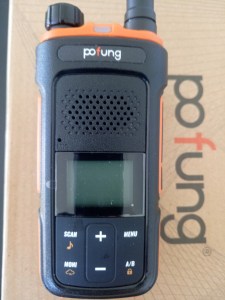
Right out of the box I noticed the antenna on the GMRS radio was attached. The radio feels good in my hands and feels like a industrial built radio, Like the Police or Fire Departments use. I am talking about the feel of it in your hands and not saying at all that the Pofung P11UV can be used for Police or Fire Department use. It’s built good BUT not that good!

The Pofung P11UV look

   The look of the Pofung P11UV GMRS radio is well, Black and orange. Mostly black with orange on the bottom, top and sides. It grabs your attention so if you need to find a GMRS radio fast , This radio would stand out. It is sharp looking for a GMRS radio!

6 buttons keypad! This is a major plus for the radio. Yes you have to get a programming cord and use software to program the frequencies into the Pofung P11UV, I find this a very good thing. Some may not like this but I do.  I got the software off of the Pofung website.  The software also “Unlocks” the radio so you can monitor other frequencies.   

 Scan,Moni,Menu, A/B and + and – soft touch buttons are all that are there. Very simple but effective keypad. When you purchase this radio, You will love the dual watch scan button!

The speaker: For the price of the radio, the speaker is great. A little tiny to my ears BUT again for the price and what you get the speaker is just fine.

Would I buy the Pofung P11 UV?

Would I buy the Pofung P11UV again? HECK YA! The quality of the radio you get for a low price can not be beat. After programming the radio, The Pofung P11UV is an easy to use walkie talkie that you can give to a family member and say just hit the push to talk button and can talk. A great first time walkie talkie friendly GMRS radio.

The Pre Repeater Work Started!

     The pre-repeater work has started! We started to reach out to repeater companies to figure out what we need to get the first GMRS repeater for our group! We are still looking for donations that will go towards the repeater.

Donate here:


     We also took the first steps on designing how it will be powered and are testing a set up right now. I need to see how it will react to day to day temps and how long it can provide a essential  element. Right now, I am testing with stuff I already own that I have purchased over the years for other uses. When I order the repeater we will have to upgrade all I am testing with so everything is brand new and not 15 years old.
Thank You for the donation!

How to get involved in GMRS on Long Island NY.

     Getting involved in our group is easy but there are very important steps that have to be done. First is getting your GMRS FCC License and call sign. There is a link to that on our main page under important links. You need a FCC GMRS call sign before you can join our group. This 10 year license lasts 10 years and is for your entire family to use.
     Next is to buy some GMRS two way radios. Either mobile, base or handheld walkie talkie will get you on the air.
     Next is to email us with your call sign and we will give you the information to put it into your radios and that’s it!
We are a family friendly group! Once you join you will also receive other ways to communicate with the rest of the group.
THAT’S IT!!

LiGMRSradio.com is Long Island NY and area's family friendly GMRS radio group!